
Skate your way in Mastering Urban Skateboarding
See What’s New
Definition of Mastering Urban Skateboarding
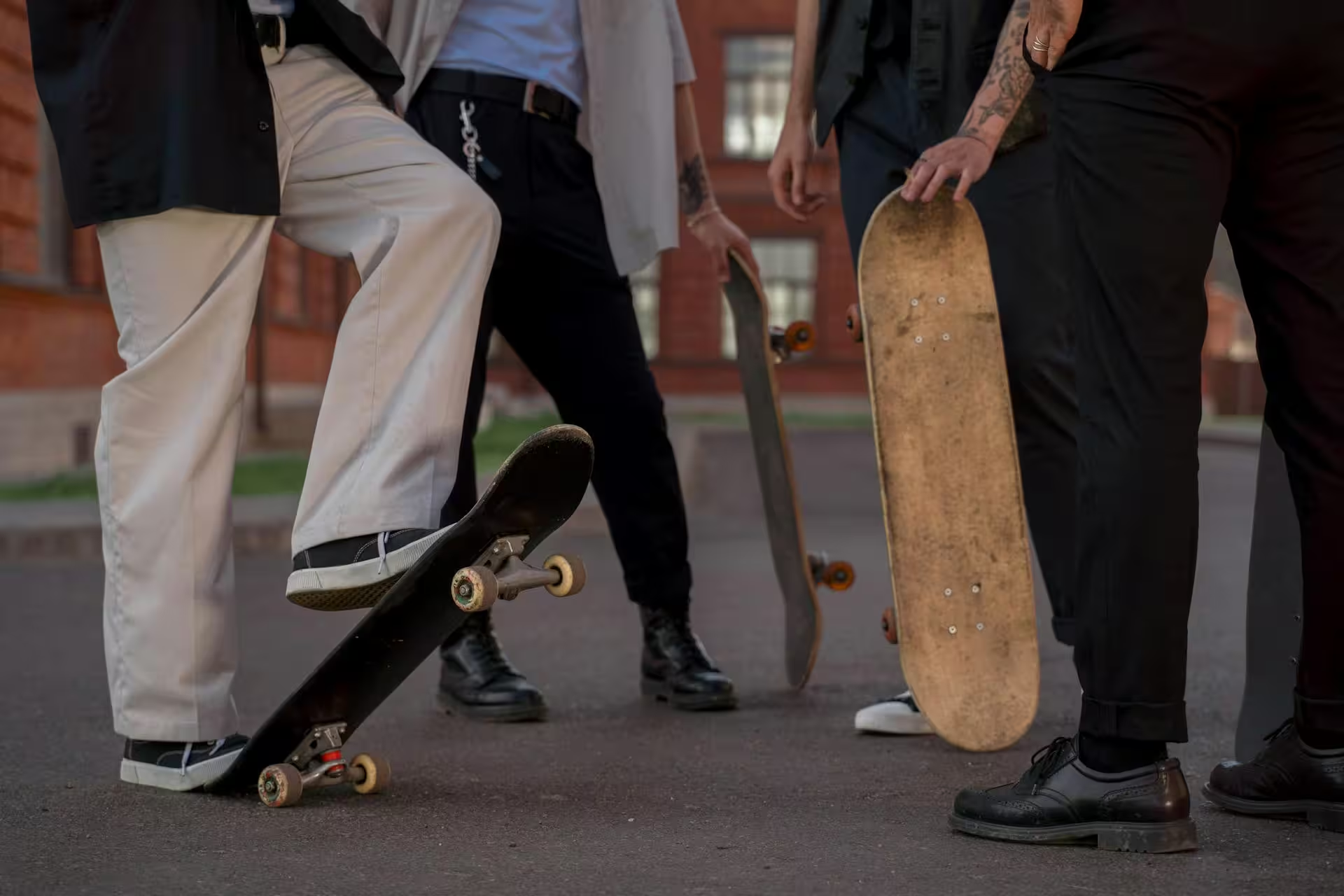
For me, mastering urban skateboarding is the practice of using city architecture as a creative and technical playground. Stairs, ledges, rails, banks, and gaps become tools for expression rather than obstacles. I believe that mastering urban skateboarding requires an understanding of terrain, flow, and how different surfaces affect speed and balance. In Edmonton, skaters like me often gravitate toward downtown plazas, public stair sets, parking structures, and industrial areas where concrete features offer variety and challenge. Each spot demands adaptability, respect for the space, and a sharp awareness of surroundings, making mastering urban skateboarding as much about observation as it is execution.
About the Author of Mastering Urban Skateboarding
I, Zeke Ryder, am a professional skateboarder and certified skateboarding coach with over 10 years of experience mastering urban skateboarding. My journey began on the streets of Edmonton, where daily grind sessions shaped my understanding of real-world progression and street terrain.
Throughout those years, I studied formal coaching principles in order to better support developing skateboarders by focusing on these key fundamentals:
- studying terrain and urban obstacles
- breaking down the step by step procedures for technical execution
- build skills while maintaining safety
I have been mastering urban skateboarding by transforming the streets of Edmonton into a living classroom. Through competitions, coaching programs, and hands-on mentorship, I help skaters build confidence and consistency while sharing trusted insights focused on mastering urban skateboarding with discipline, creativity, and respect for street culture.
Mastering Urban Skateboarding Tricks & Techniques
As a professional skateboarding instructor with over 10 years of experience, I believe the foundation of mastering urban skateboarding lies in:
- Control over your board position and foot placement,
- Consistency through repetition and muscle memory,
- and Smart Trick Selection appropriate to your skill level.
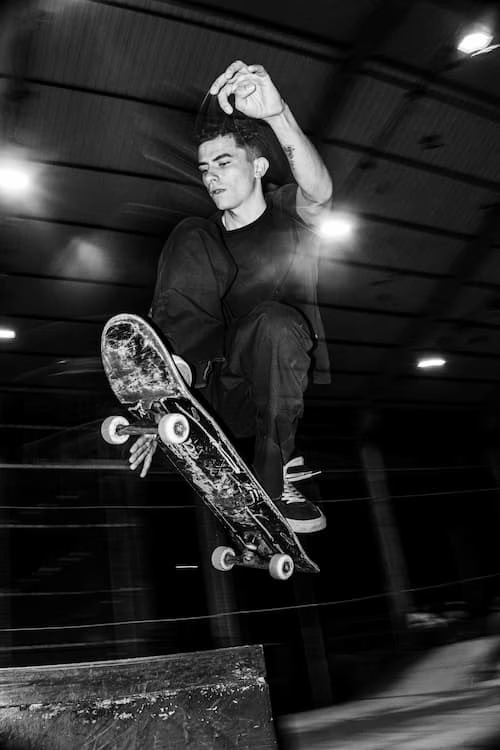
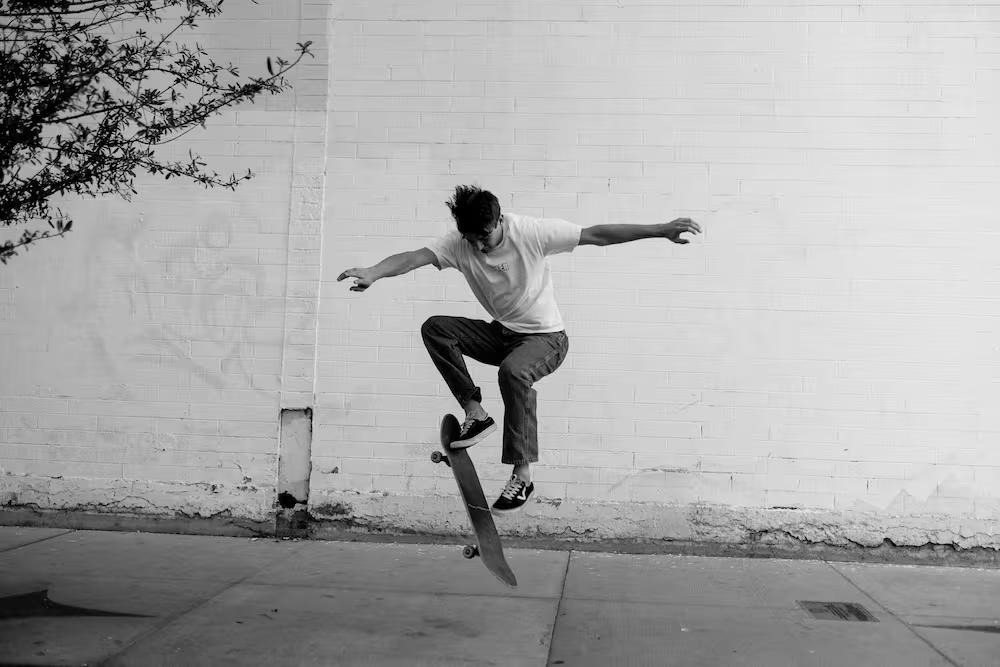
Core street tricks such as ollies, kickflips, heelflips, and pop shuvits allow skaters to navigate gaps and obstacles confidently. I spent my first two years perfecting my ollie height and consistency before moving to flip tricks. Ledge-based tricks like 50-50 grinds, boardslides, and nose slides help build balance and precision, while stair sets introduce technical challenges that test timing and commitment. Learning these fundamentals is essential to mastering urban skateboarding at any level. Advanced practitioners combine these tricks fluidly, adapting them to uneven terrain and unpredictable conditions. Progression in mastering urban skateboarding comes not from rushing difficulty, but from refining fundamentals and learning how tricks interact with real-world environments. True success means you can execute tricks consistently, on demand, in varying street conditions.
Gear & Prep for Mastering Urban Skateboarding
Throughout my 10 years of experience, one of the things I've realized is that preparation is key to ensure an enjoyable experience. Proper preparation plays a major role in mastering urban skateboarding safely and effectively.
Wearing durable skate shoes with strong grip, comfortable clothing that allows full movement, and protective gear such as:
- helmets
- wrist guards
- knee pads
These things can reduce injury risk when mastering urban skateboarding, especially when skating unfamiliar spots. Bringing essentials like water, a skate tool, spare hardware, and wax helps skaters stay focused and session-ready. Urban environments also require mental preparation in mastering urban skateboarding. Understanding traffic flow, pedestrian activity, and local regulations helps skaters remain respectful and aware. Being prepared allows skaters to focus fully on progression and creativity rather than distractions.
Choosing Spots for Mastering Urban Skateboarding
One of the most crucial yet overlooked aspects of mastering urban skateboarding is learning how to read and select spots effectively. After a decade of street skating in Edmonton, I've developed a systematic approach to spot selection that has transformed my sessions from random explorations into productive training environments. The ability to assess terrain, identify opportunities, and anticipate challenges separates intermediate skaters from those truly committed to mastering urban skateboarding.
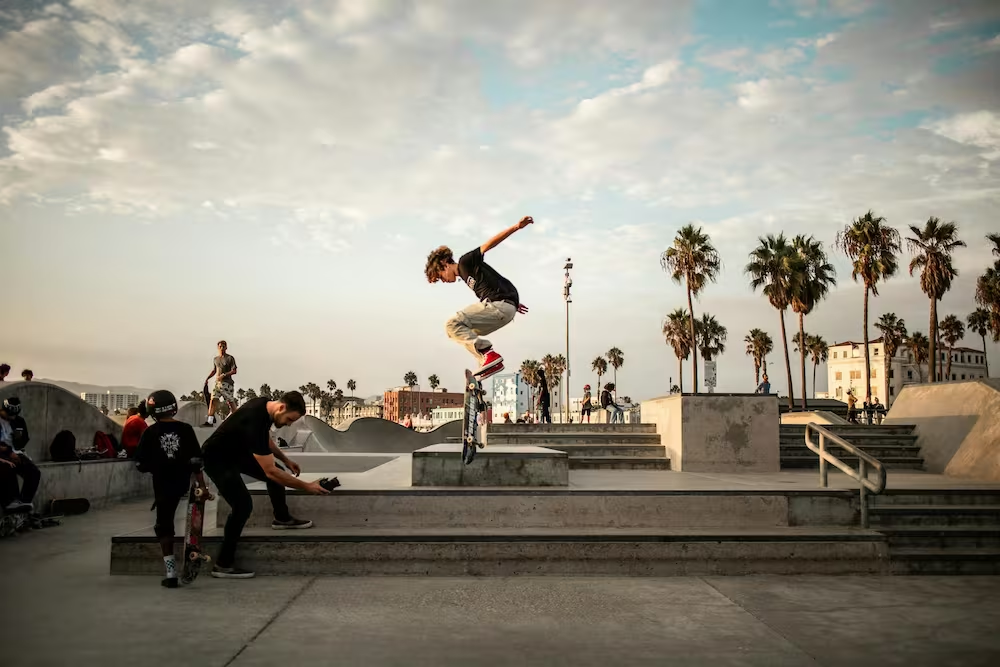
When I approach a new area, I first examine the ground surface for cracks, debris, pebbles, and texture variations that could affect speed or cause wheel bite. I look at ledge heights, measuring them visually against my board. Ankle height is beginner-friendly, knee height intermediate, and waist height advanced. Stair sets require counting steps, checking the landing zone for flatness, and assessing the run-up distance.
Beyond physical features, successful mastering urban skateboarding requires environmental awareness. I check for pedestrian traffic patterns, identify security camera positions, and understand local skateboarding ordinances. In Edmonton's downtown core, I've learned which plazas are skater-friendly and which locations require morning sessions before business hours. The Churchill Square area offers excellent ledges but heavy foot traffic after 10 AM, while the abandoned industrial zones near the river provide privacy but require careful safety considerations. Respecting property, cleaning up after sessions, and being polite to security creates sustainable relationships with spot owners.
Common Mistakes in Mastering Urban Skateboarding
After ten years of coaching street skaters in Edmonton, most people I work with get tripped up by the same three things. I made every one of these mistakes myself, and recognizing them early is one of the fastest ways to level up in mastering urban skateboarding.
Skipping the Basics
I see this all the time. Skaters want the flashy stuff before they have real control over the basics. I was guilty of it too, trying to kickflip down a four stair when my ollie was still shaky on flat ground. All I got was sloppy form and bruises I did not need. Mastering urban skateboarding starts with locking in the fundamentals. The rule I give every student is simple: if you cannot land it five times clean on flat, you are not ready for a real street obstacle.
Ignoring the Terrain
This catches more skaters off guard than you would expect. People roll up to a street spot and skate it like they are in a park with smooth ground and clean ledges. The city is not built for us. Loose pebbles, cracked concrete, and damp patches will send you down fast if you are not paying attention. Whenever I check out a new spot in Edmonton, I walk the whole area before stepping on my board. Reading a spot before you commit is a quiet but essential part of mastering urban skateboarding.
Skating Without a Session Plan
This is the one nobody thinks about. You show up, roll around for an hour, try whatever comes to mind, and leave feeling like it was a decent session. Then weeks pass and nothing improves. I have watched talented skaters stay stuck for seasons because they never brought focus to their sessions. The fix is easy. Pick two tricks to sharpen and one new trick to feel out. Mastering urban skateboarding comes down to being intentional, and even a rough plan turns a throwaway session into real progress.
What's New & Exciting!
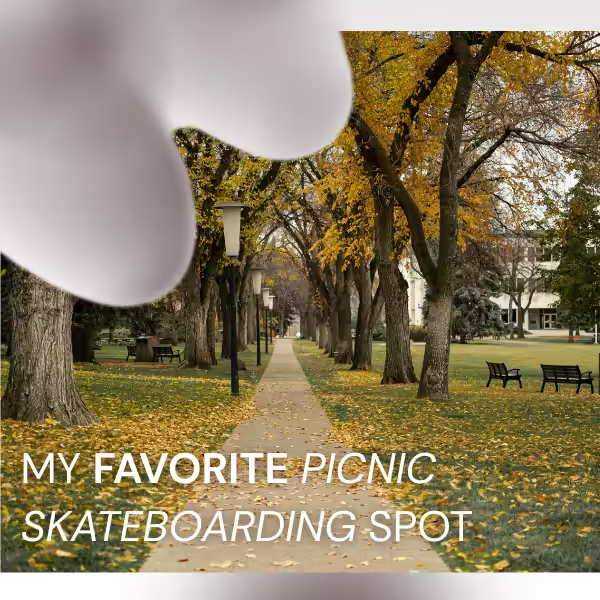
My Favourite Skateboarding and Picnic Spot in Edmonton
From Rogers Place at 104 Avenue and 101 Street, skate down south to Jasper Avenue then head west. Follow Jasper Avenue all the way to 124 Street NW and turn south. The road drops steadily into Edmonton's river valley, and River Valley Road will take you straight to Victoria Park along the North Saskatchewan River. The ride out is around 4 kilometres and mostly flat until that river valley drop at the end. It is one of my favourite warm-up skates before a full session of mastering urban skateboarding at the park.
Fresh Skateparks for Mastering Urban Skateboarding
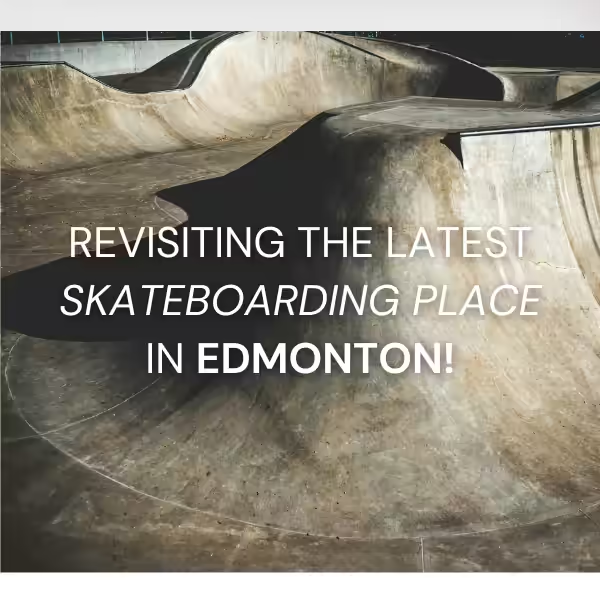
When I first read Maggie Kirk’s report for CBC News about the Jasper Skatepark, it hit home as someone who has spent over a decade coaching street skaters in Edmonton. This was not just a park opening. It started with a Grade 6 student named Ezra Jenkins, who wrote a letter to the mayor, launched a 2,000-signature petition, and kept the Jasper Skatepark Committee alive for more than ten years until the dream became real. The $1-million, all-concrete facility opened September 21, 2024, at Jasper’s Centennial Park, designed by New Lines Skatepark from Langley, B.C., and celebrated alongside nearly 200 locals and three pro skaters who came up from San Diego to break in the concrete.
“This is almost kind of like a symbol of the town's hope for the future because it survived the fire. And now this can be almost a celebration for the town.”
Darrell Savage, Committee President. Reported by Maggie Kirk, CBC News, September 21, 2024
Committee president Darrell Savage led the fundraising effort, securing a $300,000 municipal loan, a $125,000 provincial culture and tourism grant, a $90,000 federal government grant, and $50,000 contributions each from Alberta Blue Cross, CN Railroaders, and the Jasper Volunteer Fire Brigade, with many more from residents and organizations. Construction was halfway done when the devastating July 2024 Jasper wildfires swept through town, but the skatepark was spared and work resumed. As a coaching instructor who regularly visits and assesses parks with students, the all-concrete surface tells me this build was done right. Concrete delivers consistent pop, reliable wheel speed, and clean landings, and those things directly support mastering urban skateboarding at any level.
Before your first session at the Jasper Skatepark, do what I teach every student by reading the spot before you commit. Walk the surface, check for debris and transitions, and give yourself warm-up runs before pushing your limits.
Read the Full Story on CBC News